The government proposes raising taxes on purchases, dividends and some services in 2027. It proposes cuts for certain foods and some salaries, but who would pay more and who would have more money left under the new proposals?
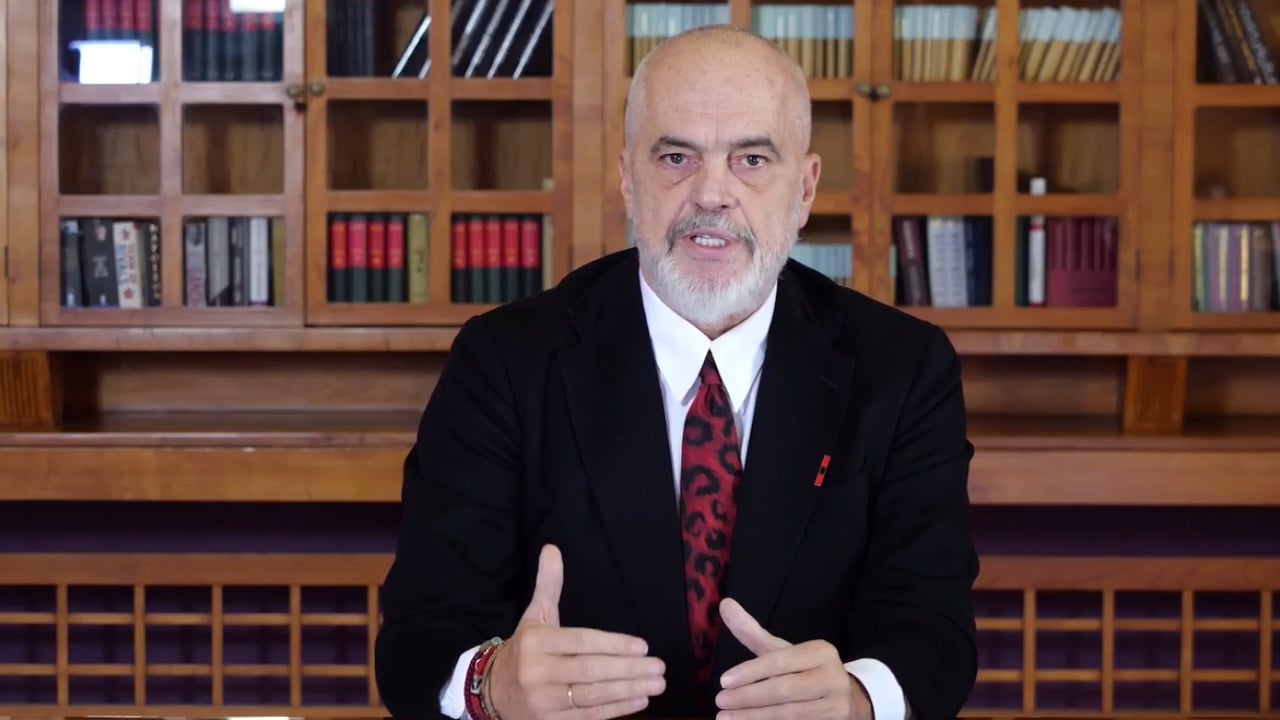
In his presentation on 28 October, Edi Rama clarified that the standard corporate profit tax would remain at 15%, rather than rise to 17% as previously reported. The announced changes are not yet rules in force; some measures are still being prepared.
For a family, the question is simple: will we have more money left at the end of the month, or less?
What would increase
The standard VAT rate would rise from 20% to 21%. This is the tax included in the price of the goods and services we buy. The increase would affect purchases that do not qualify for a lower rate or an exemption.
VAT on tourist accommodation would rise from 6% to 10%. According to Rama, agritourism would be excluded from this increase. How much a customer’s bill changes also depends on the price set by the business.
Dividend tax would rise from 8% to 15%. A dividend is profit that an owner or group of shareholders takes out of a company. The company has usually already paid corporate profit tax, so the two charges need to be considered together.
For very high salaries, Rama announced a new 30% rate, applying only to the portion above 700,000 lek gross a month, around €7,712. Gross means the full salary before tax and insurance contributions are deducted. The final tax bill also depends on the reductions explained below.
Previously reported drafts also provide for changes to excise duties on cigarettes and biodiesel blended with petroleum oils. Excise is a specific tax on a product; these measures need to be checked against the final text.
What would decrease
VAT on 54 basic food products would fall from 20% to 6%. Rama said families would save €150 million a year. This is the government’s estimate, not a guaranteed saving for every household.
For example, a product costs €10 before VAT. With a 20% tax, we pay €12; at 6%, we would pay €10.60, provided the business leaves its pre-tax price unchanged.
How much of the tax cut reaches the shopper is therefore uncertain: the benefit is not guaranteed.
There would be relief for some gross salaries above 200,000 lek a month, around €2,203. The portion taxed at 13% would extend up to 300,000 lek, around €3,305. For small businesses that qualify for the exemption, profit tax would remain at zero through 2029, according to Rama’s announcement.
What changes for an ordinary salary
A gross salary of 70,000 lek, around €771, currently leaves take-home pay of about 57,000 lek, approximately €628. The reported changes to the tax bands would neither raise nor lower the tax on this salary.
That does not mean the family is unaffected. It buys food, pays for services and may benefit from a VAT cut or pay more after a VAT increase. The outcome depends on what it buys and how prices change.
Rama also announced that the circulation tax would be removed from fuel and charged to the vehicle instead, through Albania’s road transport authority, DPSHTRR. He promised a reduction at the pump of 32 lek per litre, around €0.35. This shifts the tax: without the new vehicle charge, we still do not know how much a family would save. A charge for foreign vehicles was also announced.
Between 2013 and 2025, food and non-alcoholic drinks became around 68% more expensive. Declared wages rose faster than prices when comparing the second quarter of 2026 with the same period a year earlier, but that does not show how much each family has left.
There is another change for small businesses: the annual turnover threshold requiring VAT registration would fall from 10 million to 5 million lek, from around €110,000 to €55,000. The threshold falls, but more businesses enter the system. This is therefore not a tax cut.
What remains of the 2013 promise
The Socialist Party came to power promising that those who earned more would be taxed more. From January 2014, it introduced higher rates for higher salaries, while later years also brought relief for various categories.
Today, when a person works two jobs, both salaries are added together to calculate their annual tax. Tax already paid during the year is deducted, so the same income is not taxed twice, but an extra payment may be due if the combined salaries cross a tax-band threshold.
Property is not tax-free either. For homes, the national base rate is 0.05% of the assessed value. An owner of 20 identical homes pays twenty bills, but not a higher percentage for the second or third home and so on, as their property holdings grow.
Luxury cars already face a specific tax, but the rate does not rise simply because one owner has more cars.
Rama has now announced higher taxation of empty apartments, coastal villas and luxury cars, as well as a higher price for water used in swimming pools. The proposals are still being prepared; without the rates, criteria and deadlines, we cannot say how the tax burden on wealth would change. The promise must be judged by the law and its implementation, not just the speech.
The proposed fiscal changes follow the government’s approval of debt and penalty forgiveness. What message does this send to taxpayers who paid what they owed on time?
At the same time, certain four- and five-star hotels with an international brand and special status can qualify for a ten-year exemption from corporate profit tax. Exemption from the infrastructure impact tax has separate conditions for five-star hotels; strategic investment status alone is not enough. The government says this approach has attracted investment, but after 13 years in power it must show what citizens have gained, and are gaining, from this system of forgiven and uncollected taxes for the very groups it promised to tax in 2013.
The government must also show where the money financing tourism projects comes from. These incentives can make the sector attractive to illegal or criminal capital too, but this is a warning sign that requires investigation, not proof of money laundering. Legal checks remain mandatory, and the public needs to see their results.
Rama also announced a Bureau of Specialised Revenue Control, changes to income declarations and a reform covering income from digital platforms. Its specific powers and obligations must be examined in the legislation; what matters to citizens is what it will actually uncover and check.
After 13 years in power, that promise of a “fair tax” demands concrete answers: how much is left for someone paying tax on their work, and how much does someone with more property contribute?
Cover: AI-stylised illustration based on Edi Rama’s video message of 28 October 2026. Source: Edi Rama/Facebook; frame reproduced by Top Channel.